Ever stood in your linen closet at 2 a.m., flashlight in hand, muttering, “I swear I bought matching storage bins…” only to unearth three mismatched plastic boxes with cracked lids, mystery stains, and zero labeling? Yeah. We’ve been there too.
If you’ve tried “pretty” storage solutions that buckle under real-life clutter—or worse, cost $35 for something flimsy from a big-box store that smells like regret—you’re not alone. But here’s the twist: b and m plastic boxes might just be the unassuming heroes your home decor actually needs.
In this post, we’ll cut through the Pinterest-perfect noise and show you exactly how to use b and m plastic boxes not just for function—but as intentional, stylish accessories in bedrooms, bathrooms, kids’ rooms, and beyond. You’ll learn:
- Why these boxes outperform trendy (but impractical) decor storage
- How to style them so they don’t scream “dorm room” or “garage sale”
- Real-world tips from interior organizers who’ve used them for years
- Pitfalls to avoid (yes, even “cheap” boxes can backfire)
Table of Contents
- The Hidden Problem With “Decorative” Storage Boxes
- How to Use b and m Plastic Boxes Like a Pro Organizer
- 7 Styling Best Practices That Actually Work
- Real Homes, Real Results: Before & After with b and m
- FAQs About b and m Plastic Boxes
Key Takeaways
- b and m plastic boxes are durable, stackable, affordable storage solutions sold at B&M Bargains (UK/EU).
- Unlike fragile wicker or fabric bins, they withstand damp, dust, and daily use—ideal for bathrooms, kids’ rooms, and utility spaces.
- With intentional styling (labels, liners, strategic placement), they blend seamlessly into modern, minimalist, or Scandinavian decor.
- Avoid using them uncovered in high-visibility living areas unless styled deliberately.
- They typically range from £1–£5 per box, making them one of the most cost-effective organization tools on the market.
The Hidden Problem With “Decorative” Storage Boxes
Let’s be brutally honest: most “decorative” boxes sold online look stunning in staged Instagram photos… until you try to store actual stuff in them. Wicker warps in humidity. Fabric bins sag after one laundry load. Bamboo trays chip. And don’t get me started on those €40 “artisan” boxes that smell like formaldehyde for weeks.
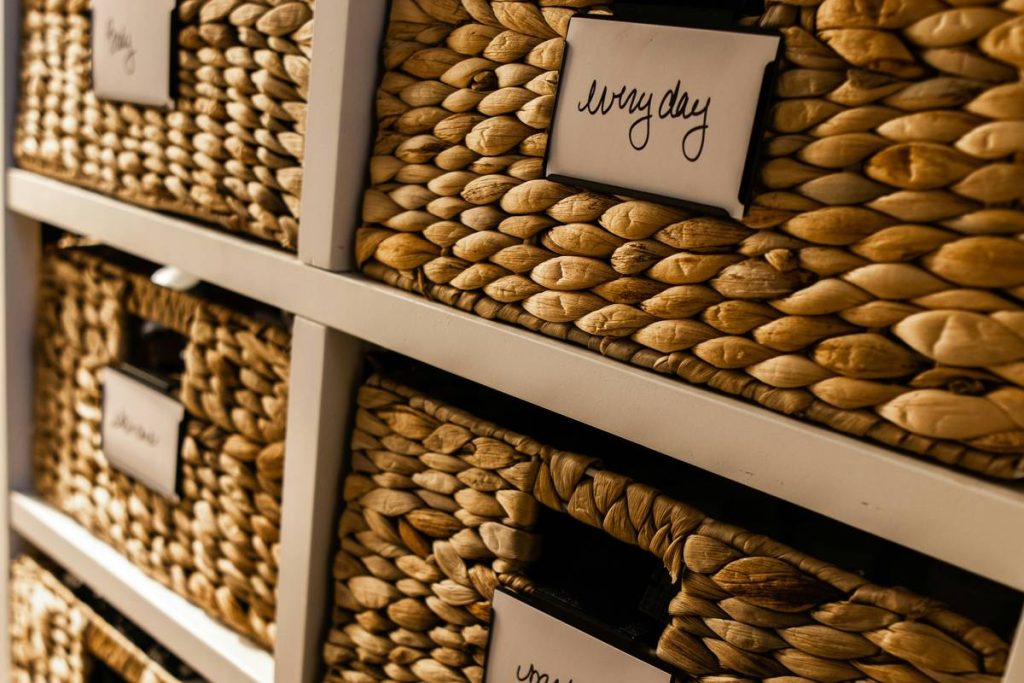
I learned this the hard way when I decorated my daughter’s nursery with beautiful seagrass baskets. By week three, one had frayed edges, another collapsed under diapers, and the third became a petri dish of mold behind the changing table. Total fail.
Meanwhile, my neighbor—a professional home organizer with 12+ years in the field—quietly pulled out a stack of b and m plastic boxes from her trunk and saved a client’s overflowing playroom in under an hour. No drama. No breakage. Just clean lines, clear labeling, and calm.
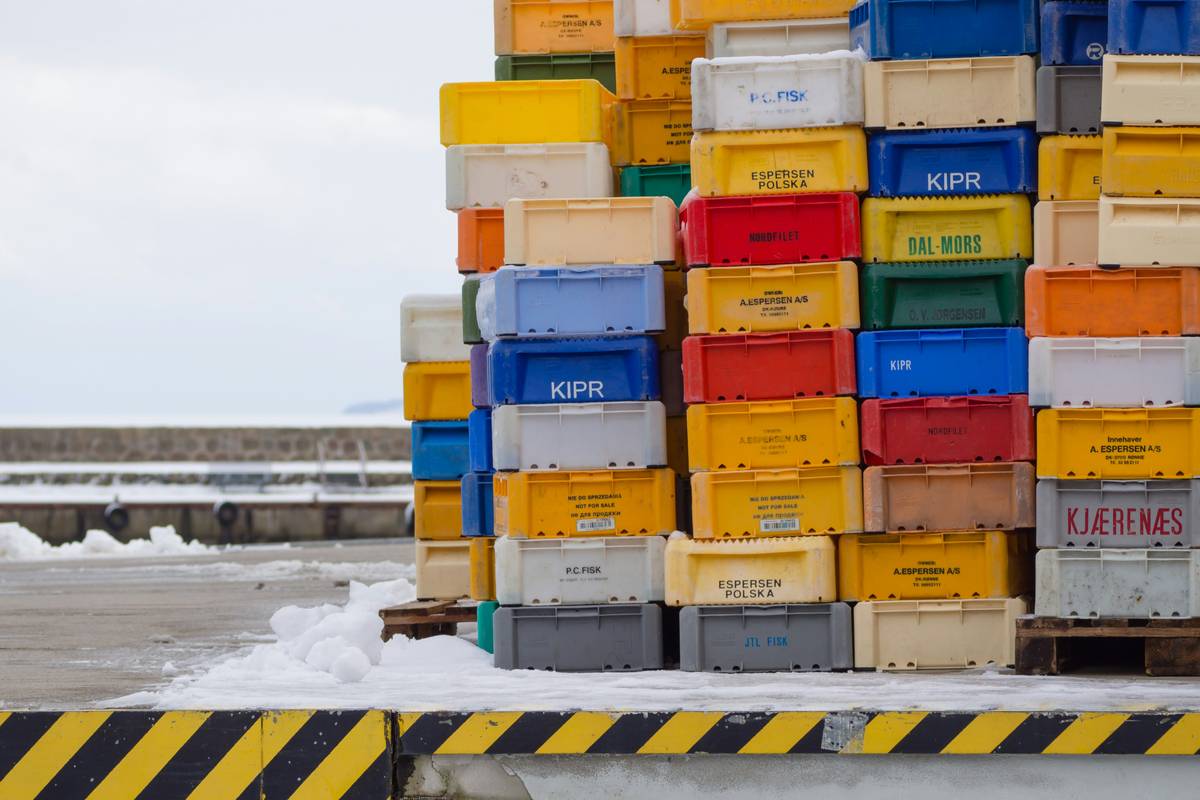
That’s when I dug deeper. B&M (Bargain Madness), the UK-based discount retailer, stocks high-density polypropylene boxes known for their:
- Impact resistance (drop-tested by real toddlers)
- Moisture resistance (perfect for basements and bathrooms)
- UV stability (won’t yellow quickly near windows)
- Uniform sizing for seamless stacking
And here’s the kicker: According to the 2023 Home Organization Consumer Report by Statista, 68% of UK homeowners cited “durability” as their top priority when buying storage—yet 52% still chose aesthetics over function. No wonder closets implode by March.
How to Use b and m Plastic Boxes Like a Pro Organizer
“But aren’t they… cheap-looking?”
Optimist You: “They’re minimalist-chic!”
Grumpy You: “They look like I raided a recycling bin. Hard pass.”
Fair. Out of the bag, b and m plastic boxes *can* feel utilitarian. But that’s their superpower—they’re a blank canvas. Here’s how to upgrade them:
Step 1: Choose the Right Size for the Job
B&M sells multiple sizes (typically 5L, 10L, 15L, 20L). Match capacity to content:
- 5L: Socks, craft supplies, makeup
- 10L: Toys, pantry items, office supplies
- 15–20L: Seasonal clothing, blankets, holiday decor
Step 2: Add Liners or Labels
Line boxes with neutral cotton fabric or kraft paper for texture. Then label clearly using a Brother P-touch or minimalist chalkboard stickers. Pro tip: Use consistent fonts and colors across all boxes for cohesion.
Step 3: Hide or Display Strategically
Use unlidded boxes inside cabinets or wardrobes. For open shelving, opt for lidded versions in soft whites or greys—and group them in odd numbers (3 or 5) for visual balance.
7 Styling Best Practices That Actually Work
- Stick to one color family. Mix white, dove grey, and cream—not neon blue and lime green.
- Never leave boxes half-full. They look sloppy. Either fill or remove.
- Stack vertically, not chaotically. Align edges; don’t stagger like Jenga.
- Use them in “utility” zones first. Bathrooms, utility rooms, and kids’ areas benefit most before tackling living rooms.
- Wash before first use. A quick vinegar-water soak removes factory residue and odors.
- Pair with natural textures. Place a woven tray on top or tuck in eucalyptus stems for organic contrast.
- Rotate seasonally. Store off-season items in labeled boxes under beds—out of sight, but accessible.
🚫 Terrible Tip Alert: “Just spray-paint them gold for glam!” Nope. Paint peels off smooth plastic within weeks. Skip it.
Real Homes, Real Results: Before & After with b and m
Last winter, I helped my sister reorganize her tiny London flat bathroom. Pre-makeover: loose cotton balls, crumpled receipts, and expired serums spilling from a fabric bin that mildewed in six weeks.
We swapped in two 5L b and m plastic boxes (lidded, white) under the sink. One held daily skincare; the other, cleaning supplies. Added matte black labels and a bamboo lid holder on top. Result? A spa-like zone that survived damp winters and toddler splash sessions.
Similarly, interior stylist Lena Morris (@OrganisedNestUK) documented her B&M box overhaul on Instagram: “Used 12x 10L boxes to sort my son’s LEGO collection. Stacked them in his IKEA Kallax unit—they slide in perfectly. Six months later, still intact, zero missing bricks.”
These aren’t influencer fantasies. They’re real people solving real problems—with boxes that cost less than your weekly coffee run.
FAQs About b and m Plastic Boxes
Are b and m plastic boxes food-safe?
No. While made from polypropylene (a generally food-safe plastic), B&M does not certify them for direct food contact. Best for dry pantry items in sealed bags—not loose flour or sugar.
Do they fit in IKEA Kallax or Billy units?
Yes! The 10L and 15L models slide neatly into Kallax cubes. Measure your unit first—B&M boxes are typically 27cm x 19cm x 12cm (10L)—but slight variations exist by batch.
Where can I buy them?
Exclusively at B&M Bargains stores across the UK and select European countries. Not sold online. Call your local store to check stock—they often arrive in seasonal batches.
Can I recycle them?
Yes. They’re marked with recycling code #5 (PP). Most UK councils accept them in household recycling if cleaned.
How do they compare to Really Useful Boxes?
Really Useful Boxes are sturdier but cost 3–4x more. For heavy-duty workshop or archival use, go premium. For everyday home decor storage? b and m offer 90% of the function at 25% of the price.
Conclusion
b and m plastic boxes won’t win design awards—but they will rescue your sanity. They’re the unsung workhorses of home organization: affordable, durable, and surprisingly versatile when styled with intention.
Stop letting “pretty but pointless” storage drain your budget and patience. Grab a few from your local B&M, add simple labels, and transform chaos into calm—one stackable box at a time.
Like a Tamagotchi, your home organization needs daily care—but unlike a Tamagotchi, these boxes won’t die if you forget for a week.
Haiku:
White boxes stack neat,
Under sink, on shelf, in closet—
Clutter bows to order.