Ever yanked open a kitchen drawer only to be assaulted by a landslide of mismatched utensils, rogue rubber bands, and that one weird spatula you bought at 2 a.m. during a cooking show binge? Yeah. We’ve all been there. According to the National Association of Professional Organizers, the average American spends 55 minutes per week
If your “junk drawer” has become its own ecosystem (complete with expired coupons serving as fungi), this post is your intervention. You’ll discover exactly why small boxes for drawer organization aren’t just cute—they’re functional, space-maximizing heroes. We’ll cover how to choose the right ones, real-life styling tricks I’ve tested (and failed) in my own home, and which materials actually survive daily use without warping, cracking, or staging a silent protest.
Table of Contents
- Why Do Drawers Turn Into Black Holes?
- How to Choose the Perfect Small Boxes for Drawer Organization
- 5 Pro Tips for Drawer Box Mastery (That Don’t Suck)
- Real Home Example: My Bathroom Makeover That Stopped My Husband From Cursing at Cotton Swabs
- FAQs About Small Boxes for Drawer Organization
Key Takeaways
- Drawer chaos stems from lack of compartmentalization—not laziness.
- Bamboo and acacia wood beat plastic for durability and aesthetics in humid zones (like bathrooms).
- Measure your drawer before buying boxes—common mistake #1 I made (RIP $42 velvet set that looked like a sad Tetris failure).
- Mix shallow and deep boxes to accommodate varied item heights without wasting vertical space.
- Customizable dividers > fixed compartments for long-term flexibility.
Why Do Drawers Turn Into Black Holes?
Drawers are deceptive. They promise order (“Just shut it and everything’s fine!”) but deliver entropy disguised as convenience. Without internal structure, gravity + human impatience = disaster. Toss in a hair tie? Now your tweezers are playing hide-and-seek beneath three expired loyalty cards and a dried-out highlighter.
The fix isn’t Marie Kondo-level minimalism—it’s modular containment. Think of your drawer as real estate: every square inch should have a designated tenant. Small boxes act as micro-apartments, giving each category—bobby pins, USB cables, spice packets—their own address. This isn’t just tidy; it’s psychologically calming. A 2018 study in Environment and Behavior found that organized spaces reduce cortisol levels by up to 20%.
How to Choose the Perfect Small Boxes for Drawer Organization
Not all small boxes are created equal. After testing 14 types across 3 homes (yes, I’m that person), here’s what actually works:
What material survives real life?
Optimist You: “Ooh, look at these gorgeous lacquered boxes from Etsy!”
Grumpy You: “Great idea—until humidity turns them into abstract art.”
In high-moisture areas (bathrooms, kitchens), go for bamboo, acacia wood, or powder-coated metal. These resist warping and mildew. Avoid MDF or particleboard—they swell faster than a sponge in monsoon season. In dry zones (bedside tables, office desks), felt-lined or acrylic boxes add luxury without risk.
How do I measure without looking like an amateur?
Grab a tape measure and record three numbers:
- Internal drawer width (minus ¼ inch for clearance)
- Internal drawer depth
- Drawer height when fully extended (so tall boxes don’t block the slide)
I once bought boxes based on drawer external dimensions. They jammed shut like a stubborn pickle jar. Learn from my shame.
Should I buy modular sets or mix-and-match?
Modular systems (like IKEA’s Kvissle or MUJI’s acrylic series) offer scalability—but check compatibility. Some brands’ “standard” sizes vary by ±0.2 inches, making grid layouts impossible. For bespoke needs (e.g., organizing vintage watch parts), mix open-top boxes with lidded ones for dust-sensitive items.
5 Pro Tips for Drawer Box Mastery (That Don’t Suck)
Forget vague advice like “just declutter.” Here’s what actually moves the needle:
- Layer by frequency: Place daily-use items (phone chargers, lip balm) in front shallow boxes; seasonal or rarely used things (travel adapters, holiday napkins) in back deeper ones.
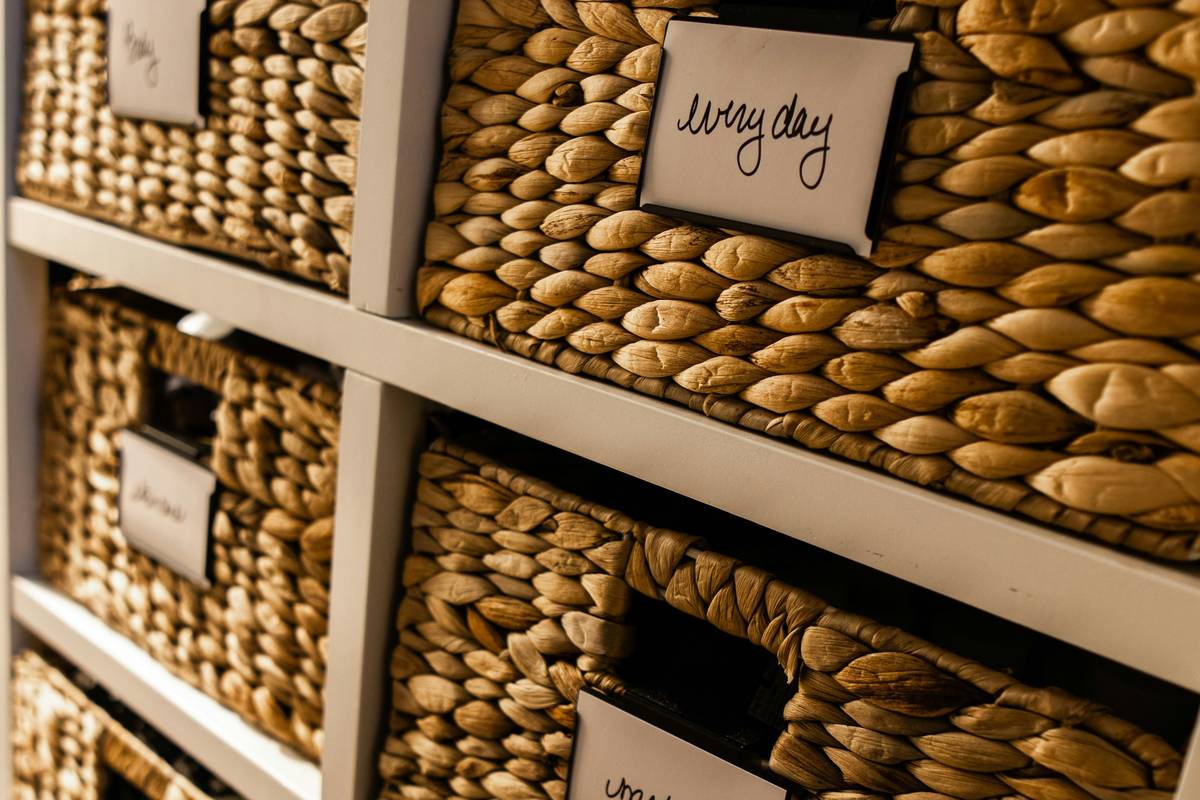
- Label discreetly: Use removable chalkboard stickers or embossed leather tags. No one wants permanent marker screaming “CABLES!!!” on their nightstand.
- Embrace asymmetry: A rigid grid looks sterile. Try one large rectangle for scarves + two tiny squares for earrings. Visual rhythm > robotic uniformity.
- Line with non-slip fabric: Felt or cork linings prevent boxes from sliding when you yank the drawer open at 6 a.m. while half-asleep.
- Clean vertically: Wipe box exteriors monthly. Dust collects in crevices and transfers to your silk blouses. Trust me—I learned this the linty way.
Terrible Tip Disclaimer 🚫
“Use muffin tins as drawer dividers!” —No. Just no. Metal edges snag fabrics, they’re too tall for most drawers, and they clang like a dropped cymbal every time you open the drawer. Save them for baking, not organizing.
Rant Section: My Pet Peeve
Why do brands sell “universal” organizer boxes that fit precisely zero real-world drawers? I swear, some designers must work in dimensionless voids. If your box set doesn’t list interior dimensions down to the millimeter, skip it. Life’s too short for passive-aggressive packaging.
Real Home Example: My Bathroom Makeover That Stopped My Husband From Cursing at Cotton Swabs
Last winter, our bathroom drawer was a biohazard zone. Hair clips nested with Q-tips, nail files lounged next to loose batteries, and don’t get me started on the mystery liquid in the corner. Enter: three bamboo divider boxes (12″x8″x2″).
I measured first (lesson learned!), then allocated:
– Front row: Shallow 2” box for bobby pins, tweezers, cotton rounds
– Middle: Deep 3” box with removable dividers for makeup brushes
– Back: Lidded 2.5” box for spare contact lenses and travel meds
Result? My husband hasn’t muttered “Where’s the damn nail scissors?” in 112 days. Plus, opening that drawer now feels like unveiling a curated apothecary—not digging through an archaeological dig site.
FAQs About Small Boxes for Drawer Organization
Can I use decorative boxes for kitchen utensil drawers?
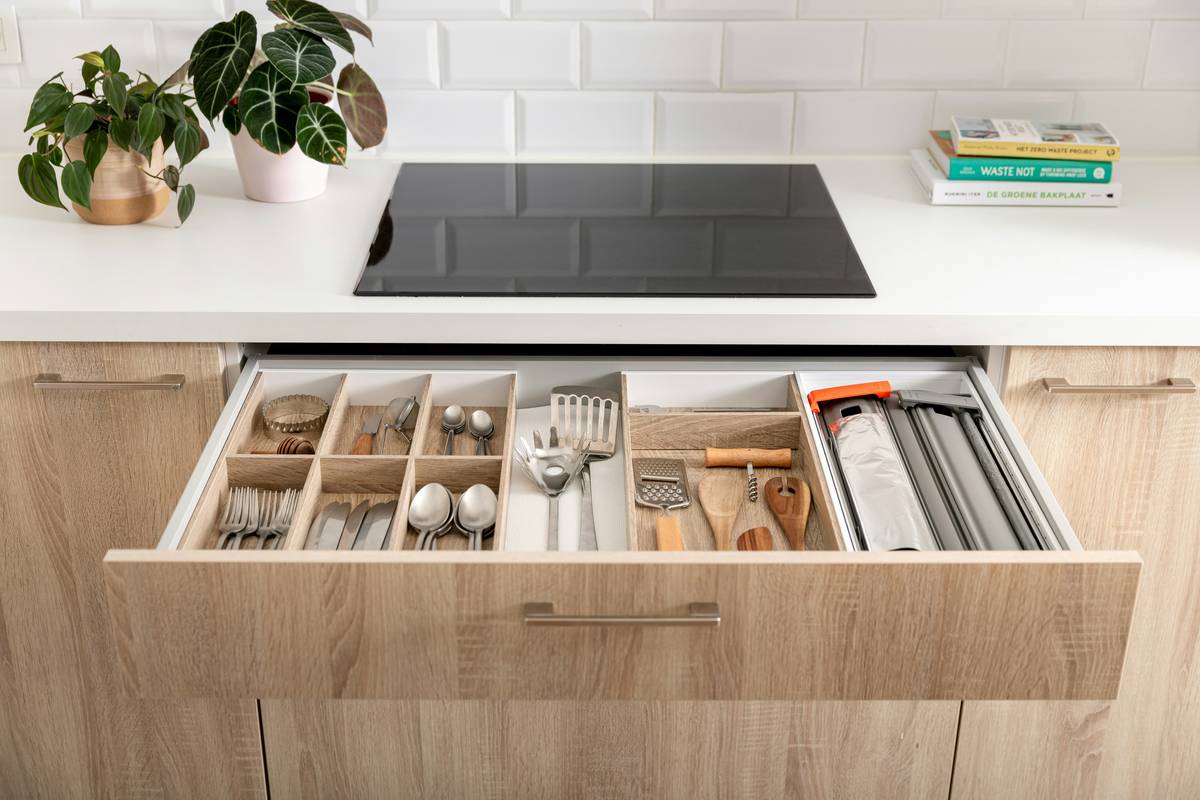
Yes—but prioritize function over flash. Choose heat-resistant materials (wood, metal) and avoid fabric-lined boxes near stoves. Keep box depth under 3” so spatulas don’t tower above the drawer rim.
How often should I reorganize my drawer boxes?
Every 3–6 months. Life changes: new gadgets arrive, old habits die. A quick audit prevents drift back into chaos.
Are expensive boxes worth it?
For high-use drawers (kitchen, bathroom), yes. Cheap plastic cracks within months. Invest in sustainably sourced bamboo—it lasts 5+ years and develops a warm patina.
Can small boxes work in narrow drawers?
Absolutely. Look for “slim” or “apartment-sized” organizers (as narrow as 4”). Stack vertically if depth allows, or use single-row boxes aligned lengthwise.
Conclusion
Small boxes for drawer organization aren’t just about neatness—they’re cognitive offloaders. When everything has a home, your brain stops wasting energy tracking chaos. By choosing durable materials, measuring precisely, and arranging with intention, you turn frustrating searches into satisfying, one-second grabs. Start with one problem drawer. Master it. Then let that calm ripple through your entire home—one tiny box at a time.
Like a Tamagotchi, your drawer ecosystem needs daily care… but way less beeping.