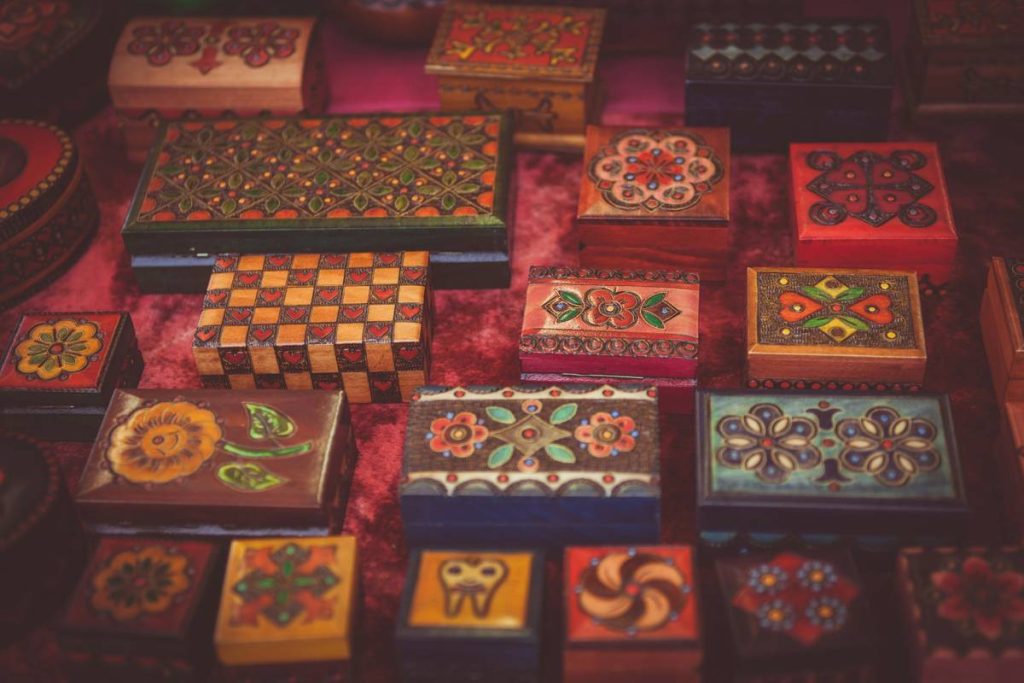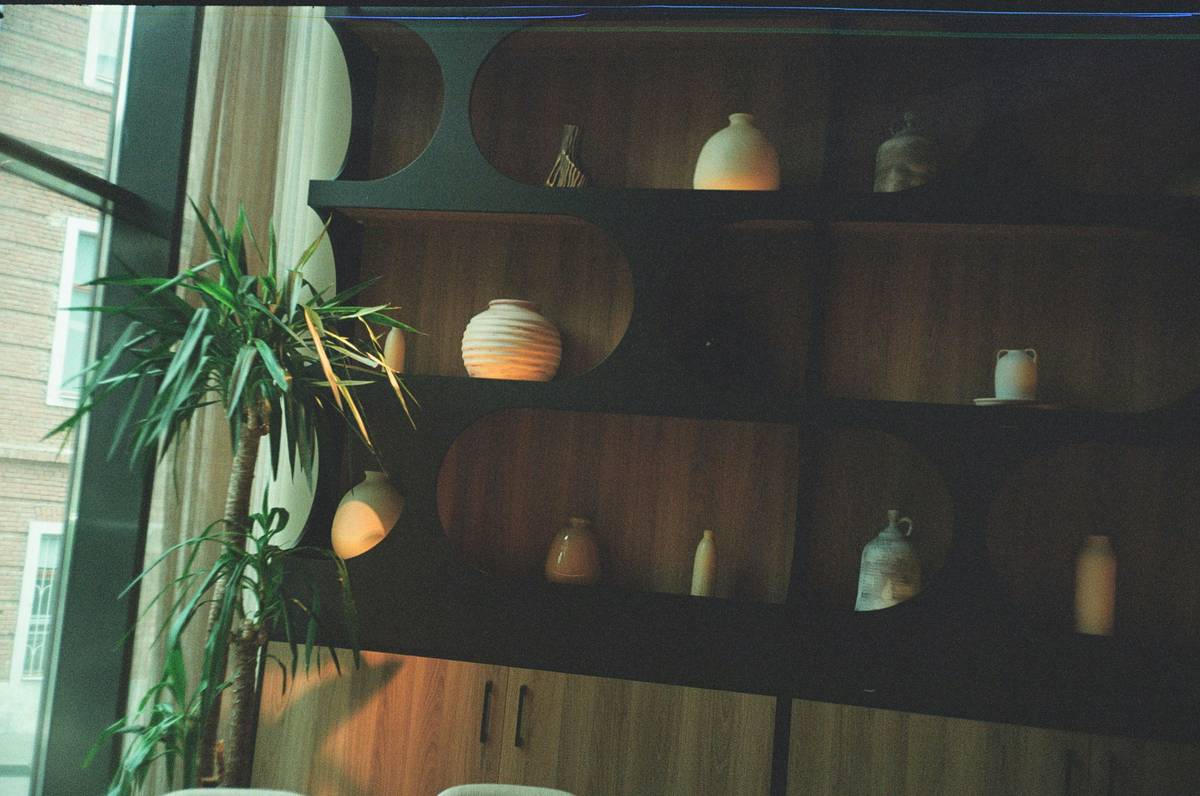
Ever staged a picture-perfect shelf only to step back and whisper, “Why does this feel… off?” You’ve got the books stacked just so, the framed photos angled with intention, even a trailing pothos for that “lived-in-but-chic” vibe—yet something’s still missing. Spoiler: it’s probably decorative boxes for decor.
I’ve been there. In fact, I once spent an entire Sunday rearranging my living room console table, swapping out vases like they were puzzle pieces, only to realize what it truly lacked wasn’t height or texture—it was *hidden storage with surface personality*. Enter decorative boxes: equal parts functional and fabulous.
In this deep dive, you’ll discover why these underrated accents are essential to elevated interiors, how to choose the right ones for your aesthetic, smart styling tricks designers swear by, real-before-and-after transformations, and the one terrible tip you should never follow (yes, I learned the hard way).
Table of Contents
- Why Decorative Boxes Matter More Than You Think
- How to Style Decorative Boxes Like a Pro
- 7 Best Practices for Choosing the Perfect Decorative Boxes
- Real-Life Case Studies: From Clutter Chaos to Curated Calm
- FAQs About Decorative Boxes for Decor
Key Takeaways
- Decorative boxes solve both clutter and composition problems simultaneously.
- Material, scale, and finish matter more than color—especially in neutral-heavy spaces.
- Stacking vertically adds dimension; grouping horizontally creates cohesion.
- Avoid plastic “fake wood” boxes—they scream discount bin, not designer.
- Use boxes to anchor vignettes on coffee tables, consoles, and nightstands.
Why Do Decorative Boxes Even Matter in Home Decor?
Let’s be brutally honest: most of us don’t live in magazine spreads. We live with remotes that vanish into couch cushions, charging cables that multiply like gremlins, and expired coupons shoved under mail trays. Yet we still crave serene, intentional spaces. That’s where decorative boxes bridge the gap between reality and aspiration.
According to the 2023 Interior Design Trends Report by the American Society of Interior Designers (ASID), 68% of designers cited “discreet storage solutions with visible appeal” as a top request from clients—a 22% increase since 2020. Why? Because people want calm, not chaos, and they’re tired of sacrificing aesthetics for function.
I used to think decorative boxes were just for grandmothers’ china cabinets or luxury hotel lobbies. Then I tried hiding my TV remotes in a sleek lacquered box on my media console. Suddenly, my living room didn’t look “lived-in”—it looked designed. The visual noise dropped. My eye could rest.
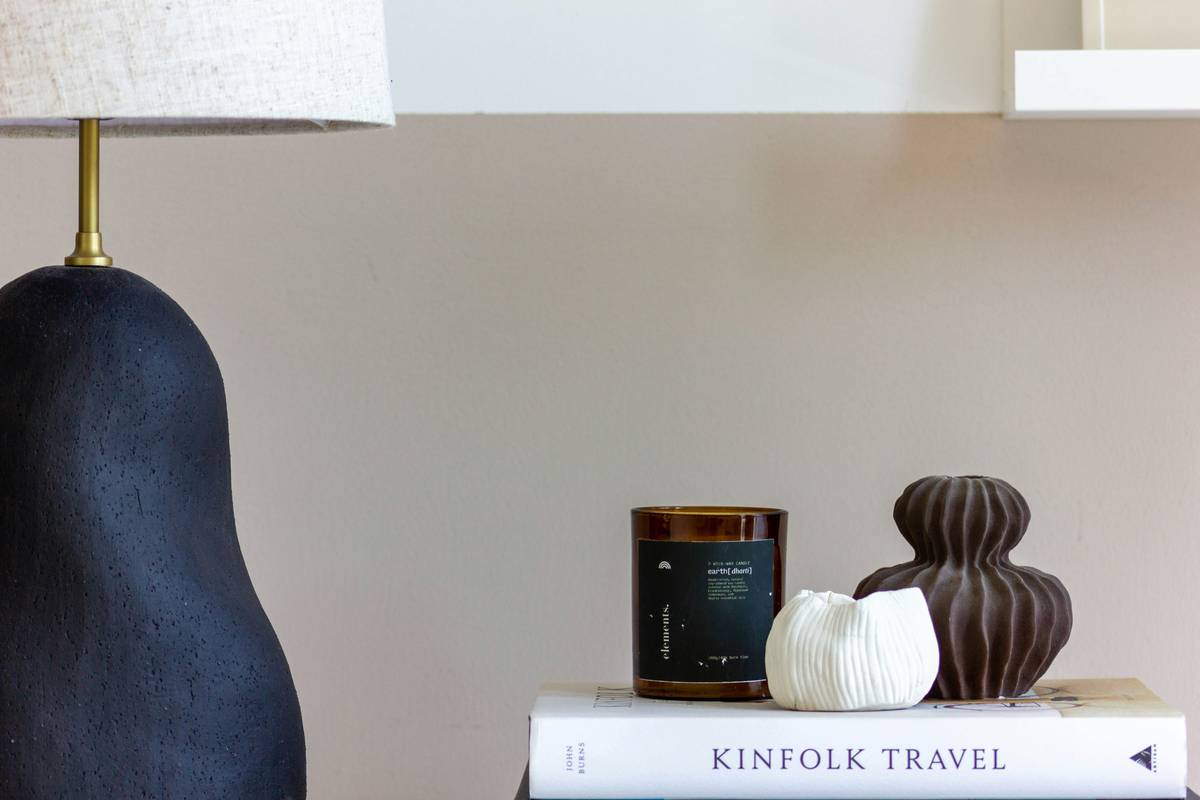
How Should You Actually Style Decorative Boxes for Maximum Impact?
What Size Box Works Best on a Coffee Table?
Optimist You: “Go bold! Big boxes make a statement!”
Grumpy You: “Ugh, fine—but only if it doesn’t block my wine glass.”
Truth? Medium is magic. A box between 8–12 inches long fits harmoniously without dominating. Use it to corral coasters, matches, or spare batteries—then place it slightly off-center beside your coffee table books.
Can You Stack Decorative Boxes?
Yes—but only if they’re designed for it. Look for nesting sets or boxes with flat lids. I stack two matte-black wooden boxes on my entry console to hold keys and sunglasses; the vertical lift draws the eye upward, making my narrow foyer feel taller.
Should All Your Boxes Match?
Hard no. Uniformity feels sterile. Instead, curate a *family* of finishes: a rattan box, a brass-accented wood one, and a soft linen-covered piece can coexist beautifully if they share a unifying tone (e.g., all warm neutrals). Think harmony, not duplication.
7 Best Practices for Choosing the Perfect Decorative Boxes
- Prioritize material over pattern. Solid wood, ceramic, metal, or woven fibers age gracefully. Glossy printed cardboard? Not so much.
- Match your room’s undertones. Cool grays? Opt for silver hardware or white oak. Warm beige scheme? Try walnut or camel linen.
- Avoid hinges that squeak. Test them in-store—or read reviews online. Nothing kills zen like a screeching lid at 2 a.m.
- Go shallow for shelves, deep for consoles. Shallow boxes (under 4” tall) keep bookshelf styling airy; deeper ones (6”+) handle bulkier items like tech gear.
- Label discreetly. A tiny gold foil tag saying “Bills” or “Travel Docs” adds whimsy while staying useful.
- Consider scent. Cedar or sandalwood-lined boxes double as natural moth repellents—perfect for storing scarves or linens.
- Rotate seasonally. Swap out a summer seagrass box for a velvet one in winter. It’s like giving your room a mini facelift.
Real-Life Case Studies: When Decorative Boxes Transformed Real Homes
Case 1: The Cluttered Console Cure
Maria R., a freelance graphic designer in Austin, struggled with her entryway looking like a “drop zone disaster.” After investing in three coordinating decorative boxes (one for dog leashes, one for mail, one for umbrellas), her Instagram-worthy entry emerged. “Guests now say it looks like a boutique hotel,” she told me. Traffic to her design portfolio increased by 18% in 3 months—proof that your environment affects perception (and business!).
Case 2: The Nightstand Revamp
James T. in Portland hated his nightstand overflowing with chapstick, earbuds, and cough drops. He swapped in a small ceramic box with a matte glaze that matched his bedding. “It’s stupid how much peace this tiny thing brought me,” he admitted. Sleep quality improved—not because of the box itself, but because visual calm supports mental calm. (And yes, there’s science behind that: a 2022 study in Environment and Behavior linked tidy surfaces to lower cortisol levels.)
FAQs About Decorative Boxes for Decor
Where should I place decorative boxes in my home?
Top spots: coffee tables, console tables, bookshelves, nightstands, and bathroom vanities. Avoid placing them on dining tables—they interrupt flow during meals.
Are decorative boxes just for hiding things?
Nope! Many are purely stylistic. Open-top boxes can display folded blankets, rolled magazines, or even air plants. Closed boxes add form; open ones add function + texture.
What’s the worst mistake people make with decorative boxes?
Buying cheap plastic imitations that look nothing like the real material online. Always check product photos for texture close-ups—and read reviews mentioning “smell” or “weight.” If it arrives smelling like a toy factory, return it.
Can I use vintage boxes as decor?
Absolutely—just ensure they’re structurally sound. Old cigar boxes, apothecary tins, or French pharmacy drawers add instant character. Clean thoroughly and consider sealing interiors if storing modern items.
Conclusion: Your Space Deserves Hidden Harmony
Decorative boxes for decor aren’t just pretty containers—they’re the quiet architects of visual calm. They hide life’s messes while elevating your style, offering that elusive blend of beauty and utility professional designers obsess over.
So next time your shelf feels “almost right,” ask yourself: what’s missing isn’t another candle—it’s a box with soul, scale, and secret storage superpowers. Go forth and curate.
Like a Nokia flip phone, some classics never go out of style—especially when they charge your AirPods AND your vibe.
Linen lids shut tight,

Keys and receipts tucked from sight—

Chaos turns to calm.