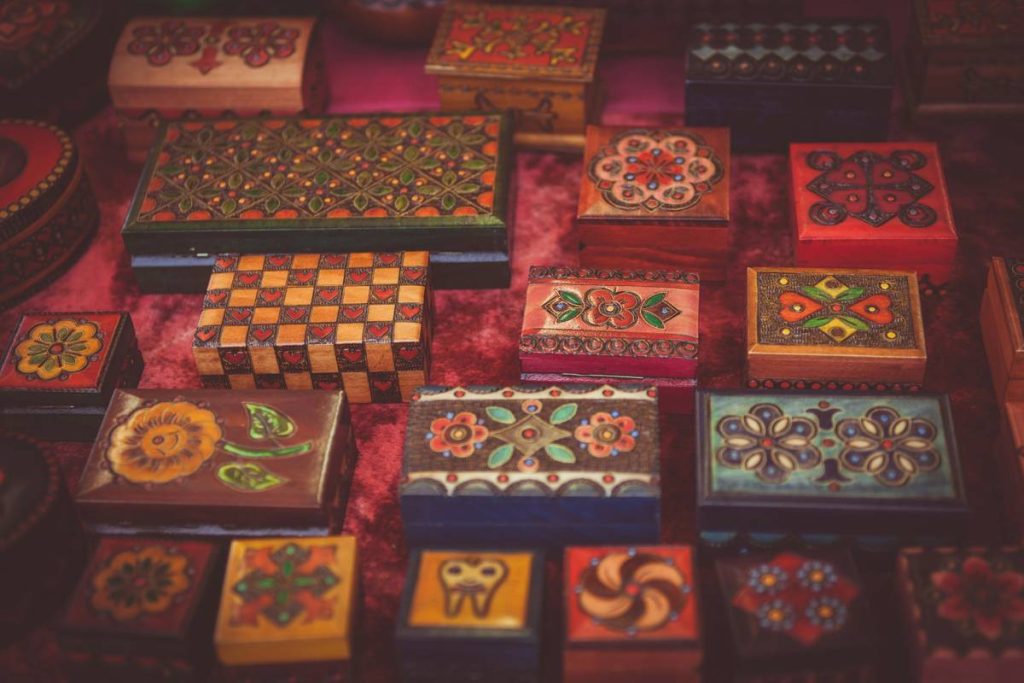
Ever opened a drawer and gotten hit with a landslide of hair ties, spare change, dead pens, and that one weird USB cable you swore you’d need “someday”? Yeah. We’ve all been there. Clutter isn’t just visually exhausting—it steals your peace. But what if I told you the secret weapon against domestic chaos isn’t another storage bin from the big-box store… it’s home goods decorative boxes?
In this post, I’ll walk you through everything you need to know about selecting, styling, and using decorative boxes that are equal parts beautiful and functional. You’ll learn how materials impact durability, why scale matters more than you think, and real examples of how these small accents transform rooms from “meh” to magazine-worthy—all based on 8+ years of interior styling work in real homes (not just staged show houses). Let’s tidy up your aesthetic—and your sanity.
Table of Contents
- Why Do Decorative Boxes Even Matter?
- How to Choose the Right Home Goods Decorative Box
- Top 5 Styling Tips That Actually Work
- Real Homes, Real Results: Before & After
- FAQs About Home Goods Decorative Boxes
Key Takeaways
- Home goods decorative boxes solve clutter while elevating design—function meets form.
- Material (wood, lacquer, fabric, metal) affects both longevity and style compatibility.
- Scale and proportion are non-negotiable: oversized boxes overwhelm consoles; tiny ones vanish on shelves.
- Always consider lid type (lift-off vs. hinged) for usability—no one wants a box they can’t actually open easily.
- Use them beyond storage: as tray fillers, coffee table anchors, or vanity organizers.
Why Do Decorative Boxes Even Matter?
Let’s be honest: most people buy decorative boxes because they’re pretty. But their real superpower? Creating invisible order. According to a 2023 National Association of Home Builders report, 72% of homeowners cite “visual clutter” as a top stress trigger at home. Yet, only 38% use intentional storage solutions that blend with their decor. That gap is where home goods decorative boxes shine.
I learned this the hard way during my first client project in Brooklyn. The brief: “Make this living room feel serene.” The reality? Remote controls everywhere, dog leashes draped over chairs, loose receipts spilling from side tables. My instinct was to add baskets—but the client hated the rustic look. So I brought in three matching lacquered boxes in soft sage green. One went on the console for mail and keys, another on the coffee table for remotes, the third on the bookshelf for random cords. The transformation wasn’t just tidy—it felt luxurious. Like someone finally cared.
How to Choose the Right Home Goods Decorative Box
What material suits your lifestyle?
Optimist You: “Ooh, velvet boxes look so luxe!”
Grumpy You: “Until your golden retriever sneezes on it. Then it’s a lint magnet from hell.”
Material dictates care, durability, and vibe:
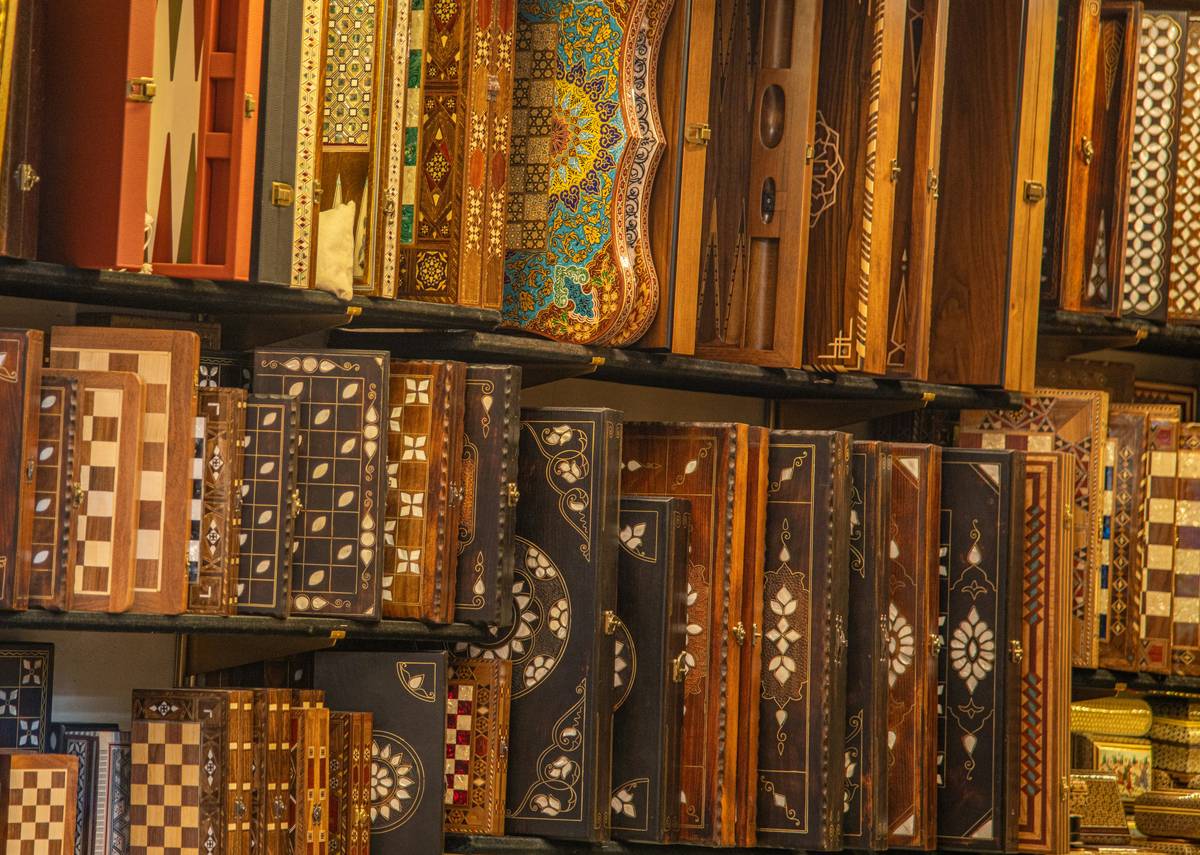
- Wood (solid or veneer): Timeless, sturdy, ages well. Ideal for books, office supplies, or heirlooms. Look for FSC-certified options for sustainability cred.
- Lacquered/MDF: Sleek, moisture-resistant, perfect for bathrooms or dining rooms. Brands like Jonathan Adler or CB2 offer high-gloss finishes that wipe clean.
- Metal (brass, tin, iron): Industrial-chic but heavy. Great for jewelry or tools—but avoid humid areas unless coated.
- Fabric/Upholstered: Soft texture adds warmth but stains easily. Best for low-traffic spots like bedroom nightstands.
Does size really matter?
Yes. A box too small on a large console looks lost; too large on a narrow shelf feels oppressive. Pro tip: The box should occupy ⅓ to ½ the surface depth. For coffee tables, aim for 10–14 inches wide. On bookshelves, go modular—stackable sets (like those from The Container Store) win every time.
Lid logic: Hinged, lift-off, or none?
If you access contents daily (remotes, chargers), choose lift-off lids—they’re faster. Hinged lids stay attached but can swing into walls. No lid? Only if contents are purely decorative (think seashells or vintage typewriter keys).
Top 5 Styling Tips That Actually Work
- Group in odd numbers: Three boxes of varying heights create rhythm. Avoid symmetrical pairs—they read “hotel,” not “home.”
- Match metals, not colors: If your lamp base is brass, pick a box with brass hardware—even if the body is matte black.
- Rotate seasonally: Swap out summer straw boxes for winter velvet. It costs nothing but refreshes your entire space.
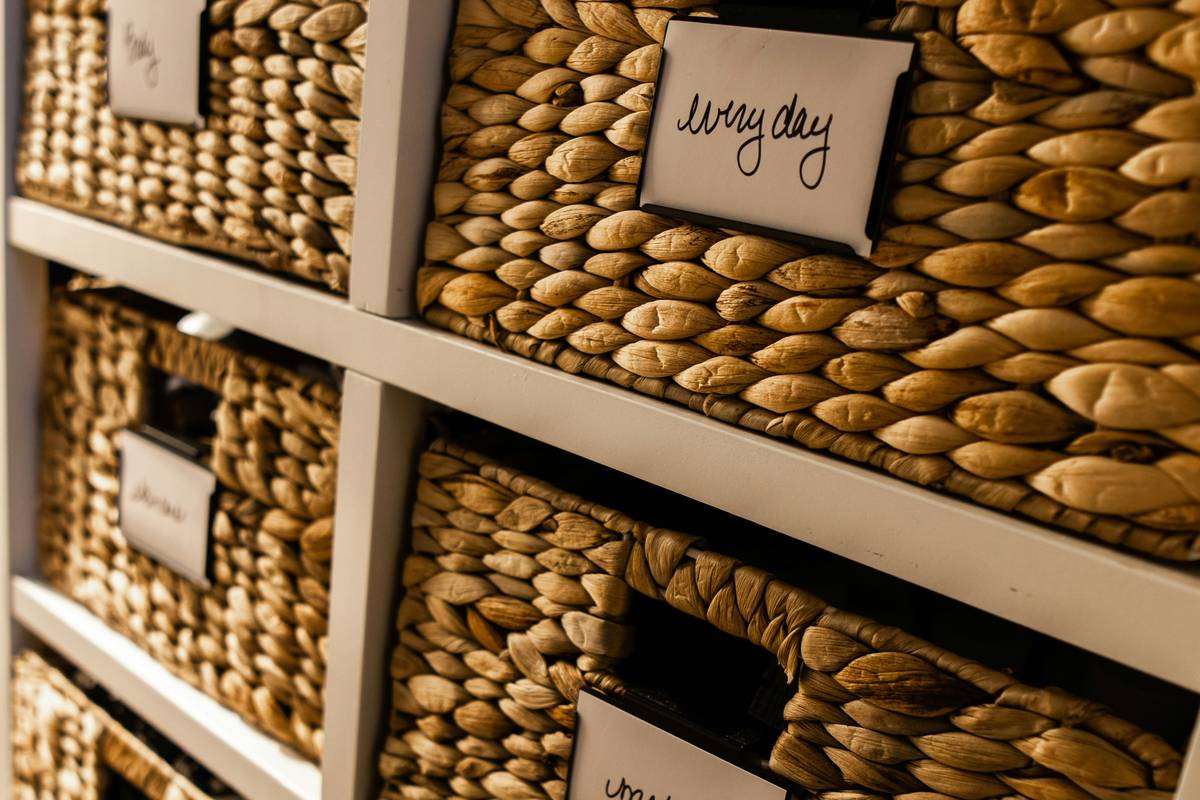
- Label discreetly: Use removable chalk-labels or etched tags for pantries or craft rooms—functional without screaming “OFFICE SUPPLIES.”
- Ditch the filler: Never stuff boxes just to fill them. Empty = intentional minimalism. Overstuffed = hoarder chic (not a thing).
🚫 Terrible Tip Alert: “Buy matching sets for every room.”
Nope. Uniformity kills personality. Mix textures and eras—a Moroccan wood box beside a mid-century ceramic one tells a story. Your home isn’t an airport lounge.
Real Homes, Real Results: Before & After
Case Study #1: Chicago Apartment Refresh
Client: Busy lawyer, zero time for tidying.
Problem: Entryway table drowning in unopened mail, sunglasses, and gym cards.
Solution: Two woven rattan boxes (from West Elm’s sustainable line) in charcoal. One holds daily essentials; the other, outgoing mail.
Result: “I haven’t lost my keys in 6 months,” she texted me. Bonus: Her partner started using the boxes too—behavioral magic!
Case Study #2: Suburban Nursery Makeover
Client: New parents desperate for calm.
Problem: Baby lotions, nail clippers, and pacifiers scattered across dresser.
Solution: Three pastel lacquered boxes (one per category) with rounded corners for safety.
Result: Nighttime changes went from frantic scavenger hunt to smooth routine. Plus, the boxes matched their gender-neutral decor.
FAQs About Home Goods Decorative Boxes
Are decorative boxes worth the investment?
Absolutely—if you choose quality. A $35 solid wood box from Etsy artisan studios lasts decades. Cheap MDF may warp or peel within a year. Think cost-per-use: if it saves you 10 minutes of daily searching, it pays for itself fast.
Where should I place decorative boxes in a small space?
Maximize vertical surfaces: floating shelves, inside cabinet doors (velcro-mounted mini boxes), or atop refrigerators. In studios, use them as hidden nightstands.
Can I use decorative boxes in bathrooms?
Yes—but stick to lacquered, sealed wood, or metal. Avoid paper or fabric unless humidity is controlled. Always leave breathing room between box and wall to prevent mildew.
How do I clean fabric-covered boxes?
Vacuum with upholstery attachment weekly. Spot-clean stains immediately with mild soap + cold water. Never soak—they’ll delaminate.
Conclusion
Home goods decorative boxes aren’t just pretty containers—they’re stealth organizers that reduce stress, elevate design, and reflect your personal style. By choosing the right material, scale, and placement (and avoiding cookie-cutter matching sets), you turn everyday clutter into curated calm. Start small: one box on your nightstand, one on your desk. Feel that sigh of relief? That’s your future self thanking you.
Like a Tamagotchi, your home needs daily care—except instead of feeding pixels, you’re feeding your soul with order and beauty.